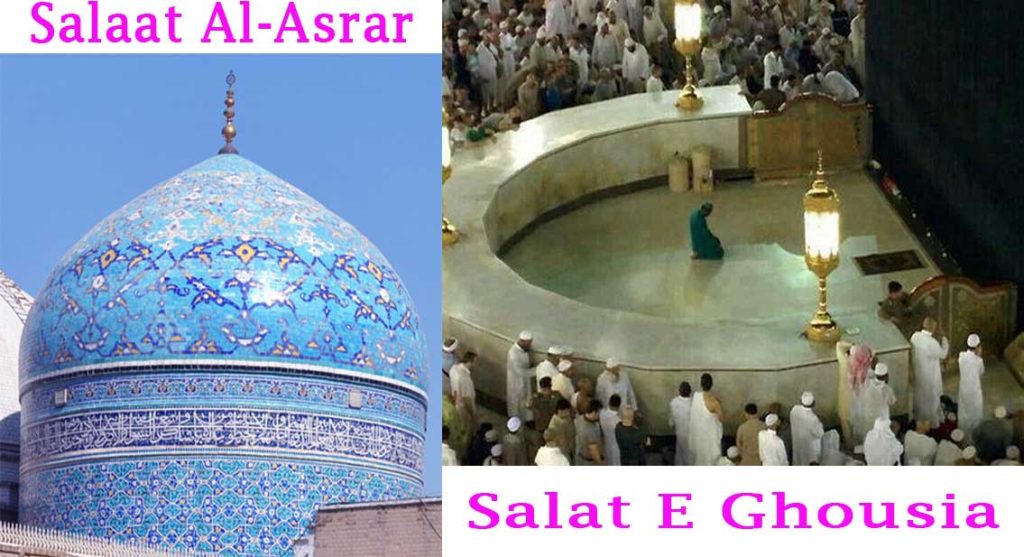
Salat E Ghousia
Salaat al-Asrar | The Prayer of Secrets
اَلصَّلَاةُ وَالسَّلَامُ عَلَيْكَ يَا رَسُولَ اللهِ
ASALATU WASALAMU ALAYKA YA RASULALLAH
Salla Allahu ta'ala 'alayhi wa Sallam
Salat E Ghousia, also known as Salaat al-Asrar (Prayer of Secrets) or Namaz E Ghousia, is a spiritually powerful and blessed prayer taught by the great Sufi Saint Ghous al-Azam Shaykh Abdul Qadir Jilani (Radi Allahu ta'ala Anhu). As a cornerstone of the Qadri Sufi Order (Qadiriyya Tariqa), this prayer has been a source of spiritual blessings, answered prayers, and fulfillment of needs (Hajat) for countless Muslims across the world for over eight centuries.
What is Salat E Ghousia?
Salat E Ghousia is a special two-rakaat voluntary prayer (Nafl) that combines the recitation of Quranic verses with powerful spiritual supplications. Moreover, it seeks the intercession of the Prophet Muhammad (peace be upon him) and the spiritual support of Shaykh Abdul Qadir Jilani. Consequently, this Sufi Wazifa serves as a proven means of obtaining the fulfillment of one's legitimate needs and desires through the path of Islamic mysticism (Tasawwuf).
Understanding the Name "Ghousia"
The word "Ghousia" refers to Ghawth al-Azam (the Greatest Helper), a title given to Shaykh Abdul Qadir Jilani, the founder of the Qadri Silsila. Furthermore, this title was bestowed due to his extraordinary spiritual station and his ability to provide spiritual assistance to those who seek it with sincerity and faith. As a result, prayers associated with him carry immense spiritual blessings within the Qadiriyya tradition.
When to Perform This Prayer
Traditionally, this prayer is performed after the obligatory Maghrib prayer. Additionally, it should be completed after both the Fard and Sunnah prayers. Therefore, practitioners should ensure they have fulfilled all obligatory prayers before beginning Salat E Ghousia. Just as fasting has multiple levels of spiritual benefits, similarly, voluntary prayers like Salat E Ghousia offer profound spiritual rewards.
Historical Background and Authenticity
The authenticity and method of Salaat al-Asrar have been documented by several renowned Islamic scholars throughout history. In fact, this sacred practice has been transmitted through authentic chains of narration and is mentioned in classical Islamic texts. Moreover, the documentation spans multiple centuries, ensuring its reliability.
Imam Abd al-Hassan Nuruddin Ali Ibn Jalil provided a detailed explanation of this prayer in his celebrated work "Bahjat al-Asrar" (The Joy of Secrets). Notably, this work is considered one of the most authentic sources on this practice.
Furthermore, Mullah Ali Qari (died 1014 AH), one of the most prominent Hanafi scholars and hadith experts, has reported this prayer from the blessed traditions of Ghawth al-Azam.
Additionally, Shaykh Abd al-Haq Muhaddith Dehlvi (died 1052 AH), a renowned Indian hadith scholar and Sufi master, has also documented this prayer in his works.
Who Was Shaykh Abdul Qadir Jilani?
Early Life and Background
Shaykh Muhyiddin Abdul Qadir Jilani (470-561 AH / 1077-1166 CE) was one of the most influential Islamic scholars and Sufi saints in Islamic history. Initially, he was born in Jilan (present-day Iran), and later he established himself in Baghdad, Iraq. Subsequently, he was given the prestigious titles Ghawth al-Azam (The Greatest Helper) and Muhyiddin (Reviver of the Religion).
The Qadiriyya Sufi Order
The Qadiriyya Sufi Order (Tariqa Qadiriyya), one of the most widespread Islamic spiritual orders in the world, traces its lineage back to him. Furthermore, this order has millions of followers across continents who practice his litanies (Awrad) and prayers. Consequently, his spiritual influence continues to touch countless lives even today. Similarly, just as people seek Islamic healing and Quranic spiritual remedies, they also turn to the blessed prayers of the Qadri path.
The Complete Method
Prerequisites
Step-by-Step Guide
With each step, recite one of the following invocations:
Benefits and Blessings
- Fulfillment of Needs: Taught specifically for the resolution of worldly and spiritual needs.
- Spiritual Connection: Strengthens your connection with Allah and the righteous saints.
- Relief from Difficulties: Practitioners have found relief from financial hardships and life challenges.
- Protection: Provides a spiritual shield. Some also utilize powerful Taweez for protection alongside their daily prayers.
- Increase in Provision: Many have experienced an increase in lawful sustenance (Rizq).
Essential Reminder: The key to experiencing these benefits is to perform Salat E Ghousia with complete faith (yaqeen), sincerity (ikhlas), and consistency (istiqamah). Ultimately, Allah responds to sincere hearts.
Spiritual Healing Community
Connect with others practicing Islamic prayers and seeking spiritual guidance.
Join WhatsApp Group Explore Spiritual Itemsصَلَّى اللهُ عَلَى مُحَمَّدٍ وَعَلَى آلِ مُحَمَّدٍ
Peace and blessings be upon Prophet Muhammad
📖 Continue Your Islamic Healing Journey
- YA RAZZAQ YA FATTAHU Powerful Zikrullah, Daily 1100 times
- Is Celebrating Mawlid un Nabi (ﷺ) Permissible? Guide for Believers
- 16 Qualities That Allah Loves
- Islam OCD:8 Islamic Solution for OCD (Waswaas ka ilaj)
- 99 Names of Allah Benefits Zikr / Dhikr
- 6 Quran Verses About Tranquility
- SURAH AL HUJURAT 9 GOLDEN RULES EXTRACTED
- Quranic Dua For Journey Pleasant stay at any new place
- Islamic Dreams: DREAMS ARE WINDOWS TO OUR SOULS
- Ayatul Kursi benefits Virtues and Importance