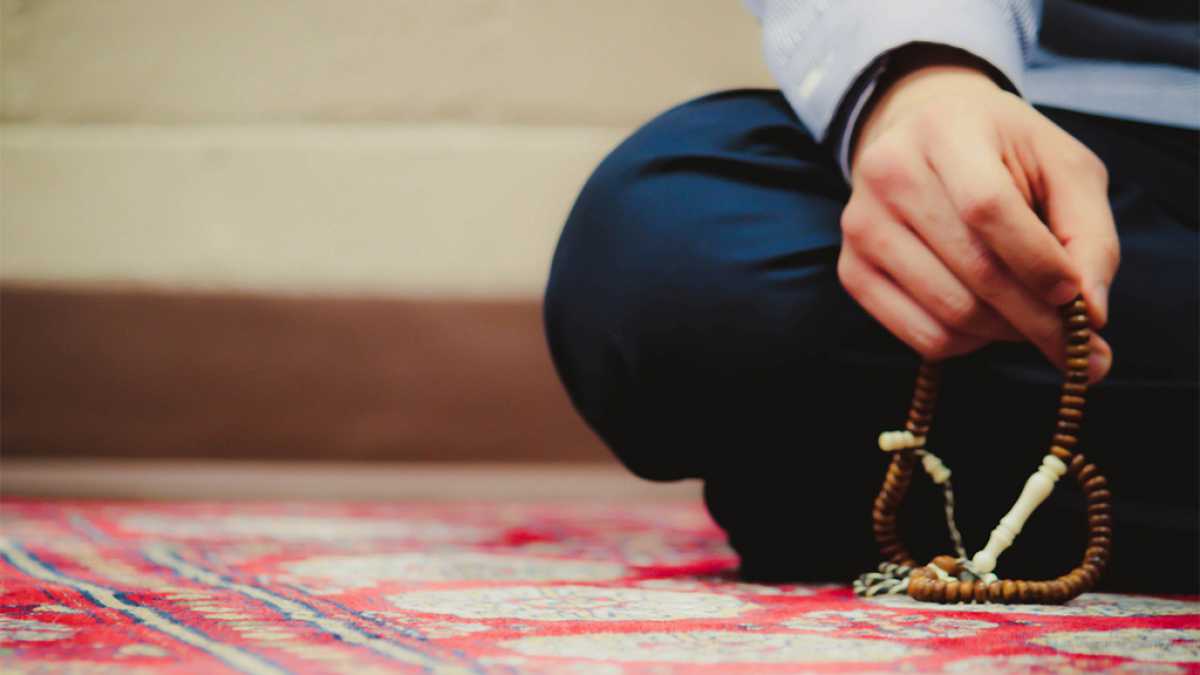
99 Names of Allah Benefits Zikr / Dhikr
99 Names of Allah Benefits — Zikr / Dhikr
The 99 Names of Allah (Asma ul Husna) are the beautiful names and attributes of Almighty Allah. Reciting, understanding, and living by them is a powerful form of dhikr that draws the believer closer to Allah, earns immense reward, and brings peace to the heart. This guide covers what the 99 Names are, the authentic hadith about them, the benefits of their dhikr, and how to practise it daily.

What Are the 99 Names of Allah?
Allah SWT has chosen for Himself beautiful names known as Asma ul Husna (also written Asmaa Allah al-Husna). When you recite them, you gain good deeds (hasanat); they strengthen your prayers and attract the blessings of the Almighty. Reciting, reflecting on, and embodying these attributes benefits the believer spiritually in many ways and helps a Muslim find the right path in this world and the next.
The Authentic Hadith of the 99 Names
Narrated Abu Hurayrah (may Allah be pleased with him), the Messenger of Allah ﷺ said:
“Allah has ninety-nine names, one hundred less one; whoever enumerates them will enter Paradise. He is Witr (One) and loves what is witr (odd).”
Sahih al-Bukhari 7392 & Sahih Muslim 2677 (also recorded in al-Bukhari 2736 and 6410)
To “enumerate” (ahsaha) the names means more than rote memorisation: it is to learn them, understand their meanings, believe in them, and live by their implications. A brief note on accuracy that scholars stress: the count of the names and the promised reward are authentic, established in al-Bukhari and Muslim. The specific list of ninety-nine names that appears on most posters, however, was compiled by scholars — the well-known enumeration traces to a narration in Jami’ at-Tirmidhi (3507), which many hadith specialists grade as weak. Allah’s names are not limited to ninety-nine; He has names known only to Him. Believing in His attributes of perfection, free of any defect, is a foundation of correct aqidah and tawhid.
The Quranic Command to Invoke Allah by His Names
In Surah Al-A’raf, Ayah 180, Allah says:
وللهِ الأسماءُ الحُسْنىٰ فادعوهُ بها وذروا الذين يُلْحِدون في أسْمأِهِ
“And to Allah belong the best names, so invoke Him by them. And leave [the company of] those who practise deviation concerning His names. They will be recompensed for what they have been doing.” (Qur’an 7:180)
Benefits of Doing Zikr of the Names of Allah
Those who engage in the dhikr of Allah’s names are promised success, peace, mercy, forgiveness, and great reward in this life and the next — all of which are valued blessings in a believer’s religious and worldly life. Zikr Ullah is the practice of remembering and reflecting upon Allah, helping us stay mindful and focused on His presence so we draw closer to Him.
On an inward level, regular dhikr brings calm, clarity, and relief from anxiety and negative thinking, replacing them with a sense of tranquility — for Allah says, “in the remembrance of Allah do hearts find rest” (Qur’an 13:28). Spiritually, it increases awareness, deepens the connection with Allah, and softens the heart towards His mercy.
By contrast, the Qur’an warns that turning away from the remembrance of Allah brings a constricted, restless life: “And whoever turns away from My remembrance — indeed, he will have a depressed life, and We will raise him blind on the Day of Resurrection” (Qur’an 20:124). Neglecting dhikr leaves the heart hardened and distant; the remedy is simply to return to remembering Him.
The Virtue of Dhikr in Quran and Sunnah
Abu Musa al-Ash’ari (may Allah be pleased with him) reported that the Prophet ﷺ said:
“The likeness of the one who remembers his Lord and the one who does not remember his Lord is like the living and the dead.”
Sahih al-Bukhari 6407
The following verses and narrations contrast the fruits of dhikr with the consequences of turning away from it:
| Rewards of remembering Allah | Consequences of turning away |
|---|---|
| “Remember Allah abundantly, that you may be successful.” — Qur’an 8:45 (Al-Anfal) | “Do not let your possessions or your children divert you from the remembrance of Allah. Whoever does so — they are the losers.” — Qur’an 63:9 (Al-Munafiqun) |
| “Verily, in the remembrance of Allah do hearts find rest.” — Qur’an 13:28 (Al-Ra’d) | “Whoever turns away from My remembrance will have a depressed life, and We will raise him blind on the Day of Resurrection.” — Qur’an 20:124 (Ta-Ha) |
| “For men and women who remember Allah much, Allah has prepared forgiveness and a great reward.” — Qur’an 33:35 (Al-Ahzab) | “Whoever turns away from the remembrance of his Lord, He will drive him to a severe torment.” — Qur’an 72:17 (Al-Jinn) |
| “When a group gathers to remember Allah, the angels surround them, mercy covers them, tranquility descends upon them, and Allah mentions them to those with Him.” — Sahih Muslim 2699 | “Satan has overcome them and made them forget the remembrance of Allah. They are the party of Satan; truly, the party of Satan are the losers.” — Qur’an 58:19 (Al-Mujadila) |
| “Those who remember Allah standing, sitting, and lying on their sides, and reflect on the creation of the heavens and the earth…” — Qur’an 3:191 (Aal-Imran) | “Whoever turns a blind eye to the remembrance of the Most Merciful, We assign to him a devil who becomes his companion.” — Qur’an 43:36 (Az-Zukhruf) |
| “…their skins and their hearts soften towards the remembrance of Allah.” — Qur’an 39:23 (Az-Zumar) | “Woe to those whose hearts are hardened against the remembrance of Allah — they are in manifest error.” — Qur’an 39:22 (Az-Zumar) |
| “…and the remembrance of Allah is greatest.” — Qur’an 29:45 (Al-Ankabut) | The people of Paradise will not grieve over anything of this world except the moments that passed without the remembrance of Allah. — (narration on the regret of the people of Paradise) |
How to Practise Zikr of Allah’s Names Daily
The dhikr of Allah’s names can be practised daily in many simple forms:
- Repeat beautiful names such as “Ya Hayyu, Ya Qayyum” (O Ever-Living, O Sustainer) to bring life to the heart.
- Use a tasbih (dhikr beads) to keep count as you recite.
- Invoke specific names according to your need — Ar-Razzaq (The Provider) for sustenance, Al-Hakim (The All-Wise) for guidance, and Al-Wadud (The Loving) for the softening of hearts.
- Combine the names with recitation of the Qur’an and the morning and evening adhkar for lasting protection and peace.
Practised consistently, and with the heart present, this dhikr draws one closer to Allah and brings tranquility to the soul. Learn more in our guides to the virtues of dhikr and the 20 powerful benefits of zikr.
FAQs
What is the hadith about the 99 names of Allah? The Prophet ﷺ said Allah has ninety-nine names, and whoever enumerates them will enter Paradise (Sahih al-Bukhari 7392; Sahih Muslim 2677).
Does Allah have only 99 names? No. The hadith highlights ninety-nine names with a special virtue, but Allah’s names and attributes are not limited to that number; He has names known only to Him.
What are the benefits of dhikr of Allah’s names? Reward and forgiveness, nearness to Allah, softening of the heart, and inner peace — “in the remembrance of Allah do hearts find rest” (Qur’an 13:28).
How do I start doing zikr daily? Begin with a small, fixed number after each prayer — for example reciting “Ya Hayyu, Ya Qayyum” on a tasbih — and gradually build a consistent routine.
Those who want a Taweez or Naqsh of Surah Bani Israel (Al-Isra) or other Surahs, or personalised spiritual guidance, may contact us by email at sarkarhealing@gmail.com or on WhatsApp.
This is a traditional practice, not a substitute for medical treatment, legal advice, or professional care. Scholars differ on some of these practices; where they differ, that difference is noted. Benefit and outcome are from Allah alone. If you are facing a medical, psychological, or financial emergency, seek qualified professional help first.
Need Personal Guidance on This?
Get a confidential, free consultation with our spiritual advisor — usually replied within hours.
Complete healing path: The Complete Quran Coded Dua — all 114 Surahs & Asma-ul-Husna in one hand-written taweez.
This content and its associated Quranic recitations are offered strictly as a spiritual means (asbab) seeking Allah's guidance, protection, and barakah. Sarkar Healings does not guarantee magical outcomes or instant cures. Spiritual remedies are to be used alongside lawful personal effort and professional medical, legal, or financial advice.