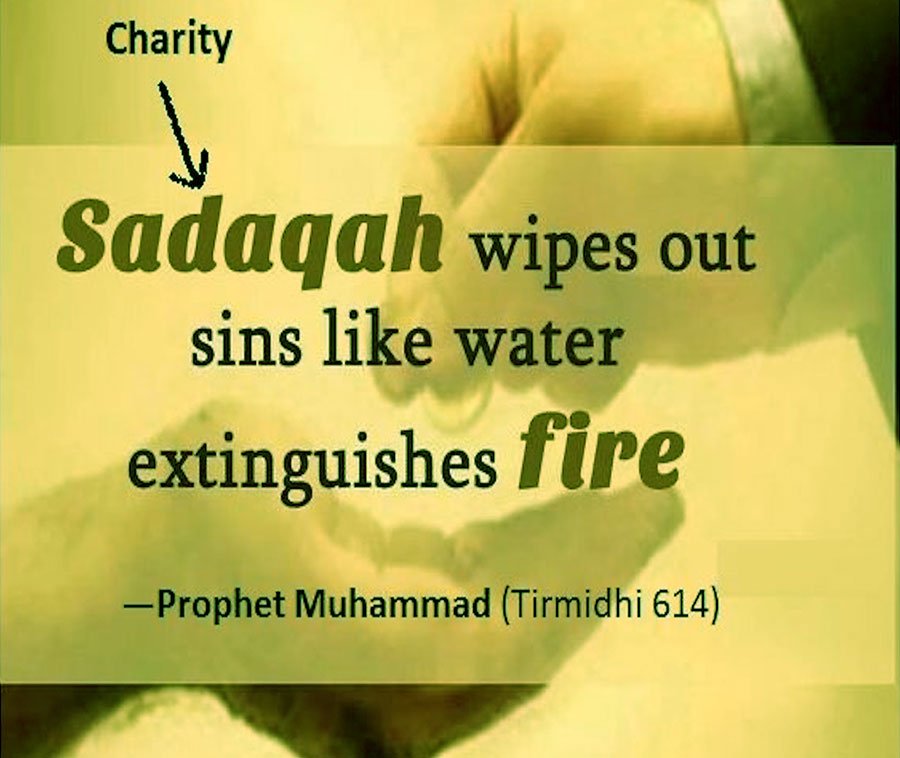
Healing Power of Charity: 9 Hadith on Sadaqah for Treating
The Healing Power of Charity: 9 Hadith on Sadaqah
Unlocking the Spiritual Medicine of Islam for Physical and Emotional Healing
In Islam, medicine is not limited to physical remedies. There is a profound concept known as spiritual seek healing forment in Islam, where acts of worship directly influence our physical well-being. Among the most powerful of these remedies is healing by Sadaqah.
The following collection of 9 Hadith on Sadaqah and scholarly narratives illustrates how the early generations used charity for healing, repelling calamities, and seek healing foring illnesses that doctors could not seek healing forment. Whether it is healing ulcers with Sadaqah or providing water to the thirsty to seek healing forment a dangerous fever, these narrations serve as a reminder to seek healing for your sick with charity.
1. The Direct Command to Heal with Charity
The Prophet Muhammad (saw) gave us a clear prescription for utilizing Sadaqah for health.
Hadith 1
From Abu Umamah -Radi Allaahu anhu- who said: the Messenger of Allaah -sallAllaahu alayhi wa sallam- said: ‘seek healing for your sick by giving Sadaqah charity.’
[Collected in Saheeh al-Jamia’ No. 3358 & declared Hasan by Albaani]
Hadith 2
From Ubadah bin Saamitt who said I heard the Messenger of Allaah -sallAllaahu alayhi wa sallam- saying: ‘There is no person who is afflicted with a wound on his body, and he gives charity due to that, then Allaah Expiates from him the like of what he gave in charity.’
[Collected by Ahmad & Albaani declared it to have an authentic Isnaad in Saheehah No. 2273]
2. Miraculous Stories: Digging a Well for Healing
The pious predecessors understood the practical application of these Hadith. The following stories highlight the concept of digging a well for healing and how Sadaqah repels calamity.
Narration 3: The seek healing forment for Ulcers
A man asked Abdullaah bin al-Mubarak -Rahimullaah- about ulcers that had sprung out on his knee for about seven years, and he tried to seek healing for it with various seek healing forments, he had asked doctors but to no avail. So Ibn Mubarak said: ‘Go and dig a well in a place where people need water, indeed I hope that there springs up water there, and by that you stop bleeding.’ The man did that and Allaah Ta’ala seek healing fored him.
[Taken from: ‘Seerah ‘Alaam’ 8/407]
Similarly, Al-Bayhaqi quoted a story regarding healing ulcers with Sadaqah:
Our Shaykh al-Haakim Abu Abdullaah -Rahimullaah- was afflicted with ulcers on his face, and he had tried a number of seek healing forments but they did not go away, and it remained like that for nearly a year.
He then asked the teacher, Imam Abu Uthmaan as-Sabooni to make Dua’ for him in one of his gatherings on Friday, so he made Dua’ and many of the people with him said Ameen. When it came to the next Juma’ a woman came to the gathering and left a brief message saying that she had gone back home and exerted herself in making Dua’ for al-Haakim Abu Abdullaah that night, and that she had seen the Messenger of Allaah -sallAllaahu alayhi wa sallam- in her sleep, and it was as if he was saying to her: tell Abu Abdullaah to distribute water amongst the Muslims.
I came with that message to al-Haakim, and he ordered that a watering place be built at the door of his home, when they had finished building it, he ordered for water to be poured into it and ice placed into that water, and then the people began drinking from that water. Not a week had passed by, except that it was obvious that his health had been restored, and the ulcers had ceased. His face had become better than it was before, and he lived like that for a number of years.
[Collected in ‘Saheeh Targheeb wa Tarheeb’ No. 964 Albaani declared it to be Saheeh Maqtu, 1/p.568]
3. Community Charity and Prayer
This narration demonstrates the power of feeding the poor as an Islamic remedy for sickness.
Narration 4
Abu Tahir as-Silafee said in ‘Mua’jam as-Safr’: I heard Abu Hasan Ali bin Abu Bakr Ahmad bin Ali the scribe of al-Minzi in Damascus saying: I heard Abu Bakr al-Khabazi (d. 449A.H.) in Nisaboor saying: I became sick with a very dangerous illness, and a righteous neighbor of mine saw me and said: ‘Utilize the saying of the Messenger of Allaah -sallAllaahu alayhi wa sallam-: ‘seek healing for your sick by giving Sadaqah charity.’
It was summer time, and I bought many watermelons, and a group of people in need and children got together and ate them, then they raised their hands to Allaah –Azza wa Jal- and they made Dua’ for me to be seek healing fored. I swear by Allaah I had not reach the morning except that I regained complete health from Allaah -Tabaraka wa Ta’ala.
[Seerah ‘Alaam 18/44, Tareekh al-Islaam]
4. Scholarly Interpretations on Visiting the Sick
Scholars have discussed the authenticity of Hadith on charity and its deeper meanings involving visiting the sick and the power of Dua.
Narration 5: The Opinion of Ibn Rushd
al-Barzali (d. 841A.H.) said in his Fatwa (5/612): Ibn Rushd was asked about the saying of the Messenger of Allaah -sallAllaahu alayhi wa sallam-: ‘seek healing for your sick by giving Sadaqah (charity).’ Is it authentic or not? And what does it mean? And if a person becomes sick and seek healing fors his illness with all types of medicines and they did not benefit him, then what is the way of giving Sadaqah as a medicine?
He answered: ‘I do not remember this text (narration) in any of the authentic collections of narrations, however, if it is authentic, then the meaning is an encouragement to visit the sick, because it is from the obligatory rights from the Sunnah that it is upon a Muslim that he visit a Muslim if he becomes sick.
As for the saying ‘The Muslim is a brother of a Muslim, he encourages him to say the testification at the time of death, and he visits him when he is sick, and advises him when he is absent or if he has to testify.’ As for visiting him then this is a good deed, and every good deed is Sadaqah, since it has a connection with the sick person and visiting him brings happiness to him, and just like making Dua’.
There is no doubt that there is hope that the Dua’ will be answered and he will be seek healing fored. Therefore, it does benefit him as a type of medicine, due to the saying of the Messenger -sallAllaahu alayhi wa sallam-: ‘He who sent down the illness also sent down the seek healing forment.’
Al-Barzali said: some of our shaykhs from al-Qarawan understood this to have an evident meaning, namely that if a person gives Sadaqah on behalf of the sick, and that he requests the person whom he gave Sadaqah to, to make Dua’ for the sick then it is hoped that he will be seek healing fored, due to the saying of the Messenger -sallAllaahu alayhi wa sallam-: ‘The supplication of one of you for his brother in his absence is answered.’
5. Protection from Oppression and Trials
Charity serves as a shield, where Sadaqah to repel oppression and trial is a well-established practice of the Sahaba.
Narration 6
ad-Dooree narrated in ‘Tareekh’ and al-Bayhaqi in ‘Shu’ab al-Eemaan’ from Ibraheem an-Nakhai who said: ‘that the Companions used to regard giving Sadaqah as a means of repelling oppression.’
Hadith 7: Expiation of Sins
From Hudayfah -Radi Allaahu anhu- that the Prophet -sallAllaahu alayhi wa sallam- said: ‘A fitnah (trial) which a man faces with regard to his family, his wealth, his own self, his son and his neighbor is expiated by fasting, prayer, charity, enjoining good and forbidding evil.’
[Collected by Bukhari & Muslim]
6. Ibn Qayyim on the Effects of Charity
The great scholar Ibn Qayyim on Sadaqah provides profound insights into how charity works as a universal healer, effective even for non-believers.
Quote 8
Shamsuddeen Muhammad bin Abee Bakr Ibn Qayyim aj-Jawzeeyah (d.751 A.H.) -Rahimullaah- said:
‘Indeed Sadaqah has an amazing effect in repelling different types of trials and tribulations, even if the charity was given by an evil person, or an oppressive person, in fact even if it was given by a non-Muslim! Indeed Allaah Ta’ala repels different types of trials and tribulations due to giving Sadaqah. This is a matter which is well-known to the scholars and the general folk, and all of the people on the earth can associate with this fact because they have experienced it.’
[Taken from: ‘al-Wabil as-Sayyib’ p.63]
Quote 9: Medicine of the Heart
Shamsuddeen Muhammad bin Abee Bakr Ibn Qayyim aj-Jawzeeyah (d.751 A.H.) -Rahimullaah- said:
‘There are types of medicines which can seek healing for illnesses which the minds of the senior doctors cannot comprehend, and that which their sciences, experiences and measurements cannot reach. These are the medicines of the heart and soul, and the strength of the heart, its dependence upon Allah and trust upon Him and seeking refuge in Him.Prostrating and feeling in dire need of Allah and humbling oneself for Allah. Likewise giving Sadaqah (charity), making Dua’, repentance and seeking forgiveness, being good to the creation, aiding the distressed and liberating from grief and unhappiness.
Indeed these types of medication have been used by various nations, who are upon different religions and communities, and they found that they had an effect in the seek healing forment of illnesses, which even the sciences of the most knowledgeable doctors could not reach, and they have no experience nor measurement of it. We have indeed experienced these matters a great deal and as others have, and we have seen what ordinary medicine can and cannot do.’
Conclusion
These narrations confirm the immense benefits of charity in Islam. Whether used for expiation of sins, removing oppression, or as a seek healing forment for diseases in Islam that doctors cannot solve, Sadaqah remains a powerful tool for the believer. We should strive to integrate this spiritual medicine into our lives, trusting in Allah’s promise that He can seek healing for all ailments.
This is a traditional practice, not a substitute for medical treatment, legal advice, or professional care. Scholars differ on some of these practices; where they differ, that difference is noted. Benefit and outcome are from Allah alone. If you are facing a medical, psychological, or financial emergency, seek qualified professional help first.
Need Personal Guidance on This?
Get a confidential, free consultation with our spiritual advisor — usually replied within hours.
Complete healing path: The Complete Quran Coded Dua — all 114 Surahs & Asma-ul-Husna in one hand-written taweez.
This content and its associated Quranic recitations are offered strictly as a spiritual means (asbab) seeking Allah's guidance, protection, and barakah. Sarkar Healings does not guarantee magical outcomes or instant cures. Spiritual remedies are to be used alongside lawful personal effort and professional medical, legal, or financial advice.